
Trauma and PTSD can leave you feeling stuck in distressing memories, unable to move forward. Even when time has passed, unprocessed experiences may continue to trigger flashbacks, anxiety, or emotional pain.
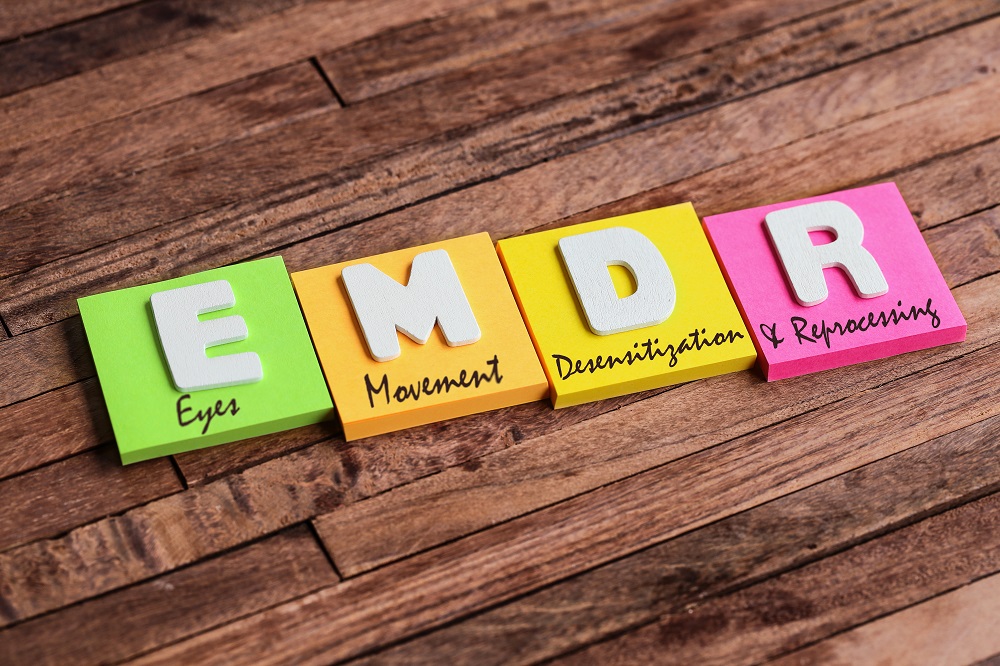
Eye Movement Desensitisation and Reprocessing (EMDR) therapy is an evidence-based approach designed to help your brain reprocess traumatic memories, so they feel less overwhelming and no longer hold the same power over your daily life.
What is EMDR Therapy?
EMDR is a form of trauma therapy that works differently from traditional talking therapies. Instead of focusing primarily on conversation, EMDR uses guided bilateral stimulation, such as eye movements, audio tones, or tapping sequences, to help your brain reprocess “stuck” traumatic memories.
We use EMDR therapy to support clients struggling with:
• Trauma and PTSD, including flashbacks, nightmares, and hypervigilance
• Anxiety and panic attacks, linked to unresolved memories
• Low self-worth or shame rooted in past events
• Complex trauma (C-PTSD), stemming from prolonged or repeated traumatic experiences
• Distressing emotions such as guilt, fear, or anger
Whether your trauma comes from abuse, accidents, assault, neglect, or other highly distressing events, EMDR can help reduce the impact of these memories and restore emotional balance.
Approach to EMDR Trauma Therapy
We provide a confidential and supportive online space where you can explore your trauma safely. With EMDR, we will guide you step by step through the process at a pace that feels comfortable for you. This approach doesn’t erase your memories; it changes the way your brain responds to them, helping them feel less intrusive and emotionally charged.
Alongside EMDR, we may also integrate other therapeutic methods, such as Trauma-Focused Cognitive Behavioural Therapy (TF-CBT), to provide a holistic and personalised treatment plan.
EMDR Therapy FAQs
How is EMDR different from regular talking therapy?
Unlike traditional talking therapy, EMDR focuses less on verbal discussion and more on reprocessing traumatic memories using guided eye movements or other forms of bilateral stimulation. This allows your brain to process traumatic memories.
Is EMDR effective for PTSD?
Yes. EMDR is one of the most widely recommended treatments for PTSD and is supported by clinical research as highly effective in reducing trauma symptoms such as flashbacks, nightmares, and hypervigilance.
How many EMDR sessions will I need?
The number of sessions depends on your unique circumstances, the nature of your trauma, and how quickly your symptoms improve. Some people notice significant relief in just a few sessions, while others may benefit from longer-term support.
Will EMDR erase my traumatic memories?
No, EMDR doesn’t remove memories. Instead, it helps your brain store them in a more adaptive way, so they no longer trigger overwhelming emotional or physical responses.
Can EMDR be done online?
Yes. Online EMDR therapy is safe and effective. Using secure video technology, we guide you through the process remotely, so you can access support from the comfort and privacy of your own space.
How do I start EMDR therapy?
Simply contact me using the form below to book your initial consultation. We’ll discuss your experiences, goals, and whether EMDR is the right fit for you, before creating a tailored plan to begin therapy.