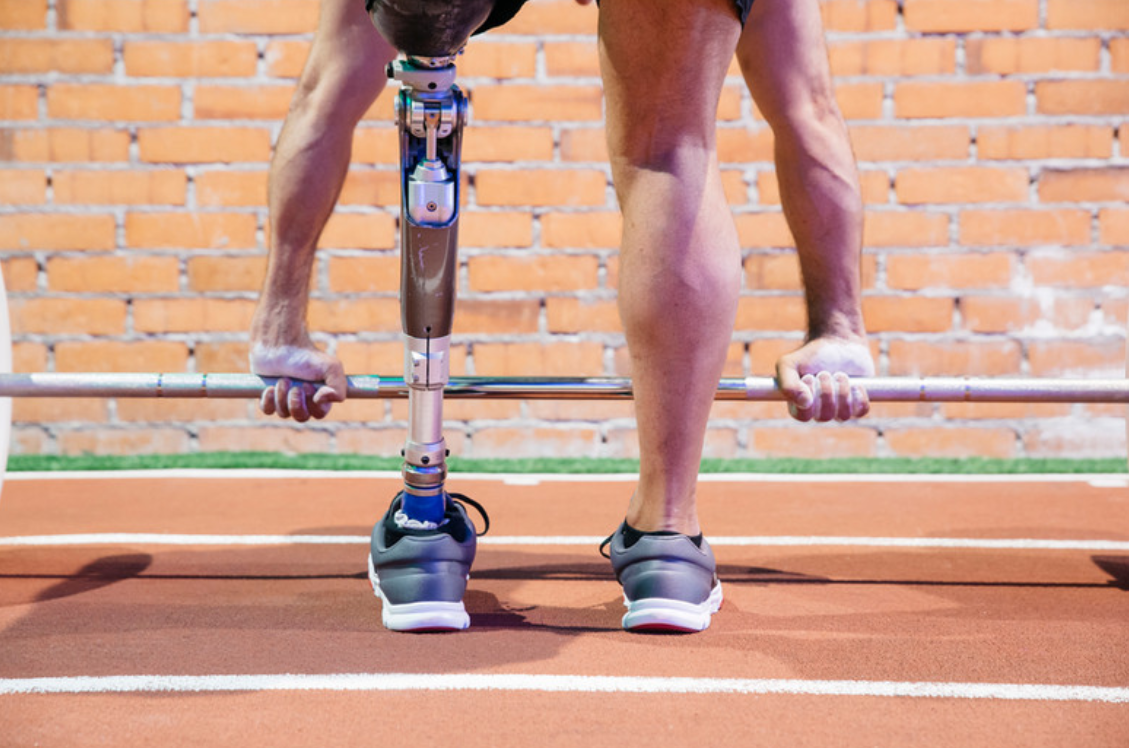
Military service can be deeply meaningful, offering a strong sense of purpose, structure, and camaraderie. However, the psychological impact of service can be significant, both during active duty and...
Post-Traumatic Stress Disorder (PTSD) can play a crucial role in legal proceedings, particularly in cases involving personal injury, criminal law, or family matters. Evaluating PTSD in a legal context...
Childhood trauma can have a lasting impact on the way we think, feel, and relate to others. Experiences such as abuse, neglect, or emotional invalidation can shape the nervous...
Many people assume that Post-Traumatic Stress Disorder (PTSD) appears immediately after a traumatic event, but that’s not always the case. For some individuals, PTSD symptoms can emerge months or...
Post-Traumatic Stress Disorder (PTSD) can develop after experiencing or witnessing a traumatic event. It often brings symptoms such as flashbacks, nightmares, hypervigilance, and emotional numbness, all of which can...
Opening up about trauma is never easy, but for those living with complex trauma, finding the words can feel especially difficult. Unlike single-incident trauma, complex trauma typically results from...
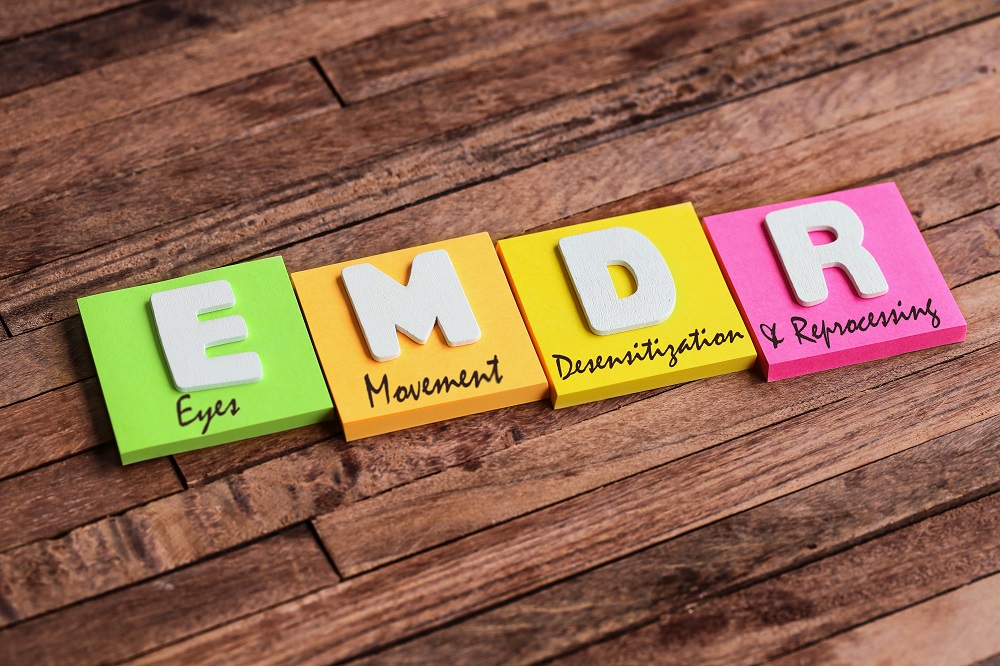
As online therapy becomes increasingly popular, those exploring trauma therapy may be curious about whether Eye Movement Desensitisation and Reprocessing (EMDR) can be delivered effectively in a virtual format....
Trauma is often stored in the body as well as the mind, which means healing isn’t only about talking; it also involves physical and emotional release. When someone begins...
Healing from trauma is not a one-size-fits-all journey—it takes time, support, and structure. While everyone’s experience is unique, many therapists recognise six key stages in the trauma recovery process....
When it comes to trauma therapy, Eye Movement Desensitisation and Reprocessing (EMDR) and Cognitive Behavioural Therapy (CBT) are two of the therapeutic approaches proven to be most effective. Both...